Analyzing Powerball Trends
Explore smart strategies for Analyzing Powerball Trends for Better Picks. Balance luck and data with AI tools for improved number selection in your lottery game!
Data Solutions
12/6/20258 min read
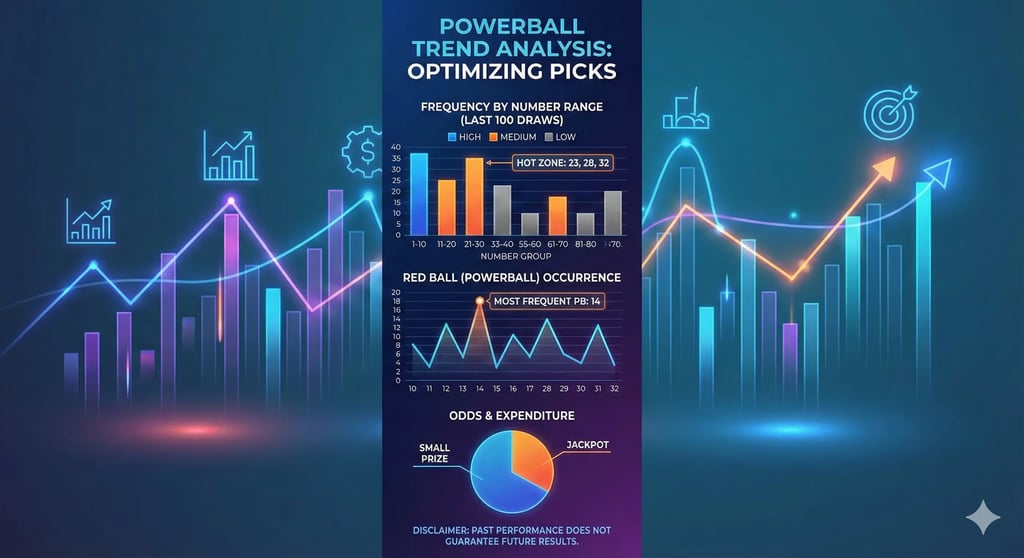
Analyzing Powerball Trends for Better Picks
The allure of winning the Powerball is undeniable. With jackpots reaching astronomical figures, it's no wonder players are eager to improve their odds. Analyzing Powerball trends can be a game-changer for those looking to make smarter picks.
Understanding patterns in past draws might just give you an edge. Many players are turning to technology, using tools like AI and random number generators. These tools can help identify potential winning numbers by analyzing vast amounts of data.
Whether you're a seasoned player or a newcomer, exploring these trends can be both exciting and rewarding. The thrill of the game lies in the balance of luck and strategy. Let's dive into the world of Powerball and discover how trends can enhance your chances.
Summary
This guide explains how to use Powerball trends—like frequency analysis, hot/cold numbers, and number distribution—alongside tools such as AI and random generators to make informed picks. It outlines the rules and odds, compares trend analysis with pure randomness, and introduces practical strategies (mixing methods, using AI, joining syndicates). Emphasis is placed on responsible play and recognizing that no approach can guarantee a win, given Powerball’s inherent randomness and long odds.
Understanding Powerball: Rules and Odds
Powerball is a multi-state lottery game with clear rules. Players must select five numbers from a pool of 1 to 69. Additionally, they choose one Powerball number from a set of 1 to 26. Winning requires matching all six numbers drawn.
The odds of hitting the jackpot are steep, but understanding them is crucial. For the top prize, the odds are roughly 1 in 292 million. These odds don't deter many players, given the life-changing potential of a win.
Here's a breakdown of Powerball odds:
Jackpot (5 numbers + Powerball): 1 in 292,201,338
5 numbers (no Powerball): 1 in 11,688,054
4 numbers + Powerball: 1 in 913,129
Despite the low odds, Powerball remains popular due to its massive payouts. Every ticket sold contributes to these ever-increasing jackpots.
Understanding the structure of Powerball is the first step towards making informed choices. Knowledge of the odds can guide how you approach number selection. Whether you're using a strategic method or pure chance, grasping these essentials is vital to the experience.
The Science of Powerball Trends
Analyzing Powerball trends involves studying past draws to identify recurring patterns. Historical data can reveal which numbers appear more frequently than others. This analysis helps players make informed guesses, potentially improving their odds.
Statistical analysis is at the heart of identifying these trends. Analysts look for patterns in winning numbers, such as "hot numbers" that frequently appear. Conversely, "cold numbers" are those that rarely show up in draws. Both can be valuable in devising a number-picking strategy.
Here's how players can leverage Powerball trends:
Frequency Analysis: Identify numbers that appear most often.
Pattern Tracking: Track sequences and combinations appearing repeatedly.
Number Distribution: Ensure a balanced set of high and low numbers.
Despite the appeal of these trends, it's crucial to acknowledge their limitations. Powerball remains a game of chance, and past performance doesn't guarantee future results.
While trends can guide selections, players should use them as a tool rather than a guarantee. Combining these insights with other methods or sheer luck keeps the game exciting. The mix of strategy and chance contributes to the ongoing fascination with Powerball.
Hot and Cold Numbers: What the Data Shows
Understanding hot and cold numbers is crucial for many Powerball enthusiasts. Hot numbers are those that show up in more recent draws. Players often perceive these numbers as more likely to appear again.
Cold numbers, in contrast, haven't appeared often recently. Some players believe these numbers are "due" to be drawn soon. Both hot and cold numbers offer different strategic advantages.
When examining historical data:
Hot Numbers: Often appear in the last few weeks.
Cold Numbers: Rarely seen over several months.
Balanced Approach: Mix hot and cold numbers for diversity.
by Yusuf Onuk
Some players use hot numbers for their perceived momentum, while others trust cold numbers for future potential. The decision boils down to personal belief and strategy. Balancing both types can add depth to your number selection. Ultimately, while trends can offer guidance, no method guarantees a win. Players must find their ideal balance between following trends and trusting in chance.
Tools for Picking Powerball Numbers
Choosing the right tools can enhance your Powerball experience. Different players rely on different techniques to select numbers. Some prefer manual selection, while others trust algorithms.
Various tools offer unique approaches to number selection. Powerball number pickers, for instance, simplify the decision-making process. These tools enable players to set specific preferences.
A lucky number generator adds an element of randomness. By picking numbers based on luck, players enjoy the thrill of uncertainty. Many enjoy leaving fate to decide their fortune.
Tools available to players include:
Powerball Number Picker: Streamlines selection.
Lucky Number Generator for Powerball: Adds randomness.
Powerball Lottery Generator: Uses specific preferences.
AI-Driven Picks: Leverages advanced technology.
Powerball lottery generators, such as Lotto Pro lottery software, blend technology with choice. They often analyze past data to inform future picks. This approach combines statistics with human intuition.
Random number powerball generators keep things exciting. They avoid the complexity of trends and databases. It's about trusting in the pure randomness of life.
Each tool offers unique benefits, depending on a player's strategy. Some players mix methods for a comprehensive approach. Experimenting can help find what works best for you.
Choosing the right tool depends on personal preference. Whether you value data, luck, or a mix of both, there's an ideal option. Embrace the variety and find your own winning formula.
AI and Technology in Powerball Number Selection
Technology is revolutionizing how players pick their Powerball numbers. Advances in AI bring new capabilities to the table. Algorithms can analyze large datasets for insights.
AI picks lottery numbers by sifting through historical data. This process identifies patterns not visible to the human eye. Machine learning models predict potential winning numbers based on trends.
With AI, players can consider thousands of simulations. This technology helps them understand possible outcomes. It offers a unique perspective beyond traditional methods.
AI tools at your disposal include:
AI Pick Lottery Numbers: Uses machine learning.
Powerball Number Prediction Generator: Forecasts outcomes.
AI Generated Powerball Numbers: Provides sophisticated analysis.
by JK Sloan
These tools run simulations to predict outcomes. They can generate smarter recommendations for players. AI offers a scientific approach to number selection.
While AI enhances strategy, it does not guarantee a win. Powerball remains a game of chance. The technology supports players but cannot ensure success.
Embracing AI in Powerball selection offers a modern twist. It combines data analysis with traditional lottery play. Players can make informed decisions with AI insights.
Random Number Generators vs. Trend Analysis
Random number generators and trend analysis offer distinct approaches to picking Powerball numbers. Each has its advantages and limitations. Understanding these can guide your choice of method.
Random number generators provide numbers purely by chance. They are quick and require no input from the player. This method is favored by those who trust fate over strategy.
In contrast, trend analysis relies on studying historical data. By examining past draws, players aim to identify patterns or repeating numbers. This method appeals to those who believe in data-driven insights.
Considerations when choosing:
Simplicity: Random generators are straightforward.
Data-Driven: Trend analysis leverages historical insights.
Time: Random picks are immediate; analysis requires effort.
Personal Preference: Some favor luck; others prefer statistics.
by 1981 Digital
For some, a blend of both methods works best. Mixing random picks with trend-informed choices might optimize outcomes. It caters to personal beliefs and offers balanced play.
Regardless of the method, remember: luck plays a key role. No approach guarantees success in Powerball. Players should use what feels right for them.
Strategies for Smarter Powerball Picks
Developing a strategy can make Powerball more enjoyable and engaging. While luck is central, a thoughtful approach may increase your odds. Here, we'll explore various strategies to refine your number selection.
One popular strategy is the combination of hot and cold numbers. This involves selecting numbers that have appeared frequently, alongside those drawn less often. This approach balances trends with unpredictability.
Another technique involves using AI-driven tools. Artificial intelligence analyzes massive amounts of data rapidly. It may suggest numbers based on complex algorithms, offering insights that traditional methods might miss.
Additionally, joining a syndicate can increase your chances. By pooling resources, players can buy more tickets. Although winnings get shared, the odds of winning improve significantly.
To summarize some smart strategies:
Mix hot and cold numbers for balance.
Use AI-driven tools for data insights.
Consider joining a syndicate for increased odds.
Keep track of numbers regularly to spot patterns.
Ultimately, the best strategy aligns with your comfort and beliefs. Experiment with different methods to find what resonates. Remember, enjoy the process while maintaining realistic expectations.
Responsible Play and Common Pitfalls
Playing the Powerball should be a fun and exciting experience. However, it's essential to play responsibly and set a budget. Over-spending can lead to financial stress and detract from the enjoyment of the game.
Be wary of the common pitfalls that many players encounter. Some players chase losses by spending more, hoping to win back what was lost. Others may rely too heavily on unproven methods, like superstition, without a rational approach.
To avoid these pitfalls, consider the following tips:
Set a strict budget for lottery spending.
Avoid chasing losses by keeping emotions in check.
Use reputable number generators or tools.
Remember that Powerball is a game of chance.
By recognizing these pitfalls, you can maintain a healthy, enjoyable relationship with Powerball. Remember, the primary goal is entertainment, not financial gain.
Final Thoughts: Balancing Luck, Data, and Fun
Engaging in Powerball is more than just a gamble. It involves a delightful mix of luck, data analysis, and sheer enjoyment. Embracing this blend can enrich your Powerball experience, making each draw an exciting event.
Data and trend analysis provide valuable insights. They offer an edge by potentially increasing your chances. Yet, it's vital to remember the core of Powerball: the randomness and the thrill of the unknown that bring excitement.
Ultimately, the key lies in balancing all these elements. Enjoy the process of picking numbers, whether it's through random generators or trend analysis. By maintaining a sensible approach, you can enjoy the game responsibly and hopefully catch that elusive lucky streak.
Q&A
Question: Do Powerball trends actually improve my odds of winning? Short answer: Trends can guide your picks, but they don’t change the game’s inherent odds. Analyzing frequency, hot/cold numbers, and number distribution can help you make more informed selections, yet Powerball is fundamentally a game of chance with very long odds (about 1 in 292 million for the jackpot). Use trends as a tool, not a guarantee.
Question: What’s the difference between hot and cold numbers, and how should I use them? Short answer: Hot numbers have appeared more often in recent draws; cold numbers haven’t shown up much over longer spans. Some players favor hot numbers for perceived momentum, others choose cold numbers believing they’re “due.” A practical approach is to mix both for a balanced selection, while remembering past draws don’t predict future results.
Question: Can AI really predict winning Powerball numbers? Short answer: AI can analyze large historical datasets, run simulations, and highlight patterns you might miss, offering data-informed recommendations. However, it cannot guarantee a win; draws are random. Think of AI as a modern decision aid that can enrich your strategy, not a predictor of outcomes.
Question: Does joining a syndicate improve my chances? Short answer: Yes—by pooling money, a syndicate can buy more tickets, which increases the group’s overall chances of winning. The trade-off is that any prize is shared among members. It’s a way to improve odds without overspending individually, but it still doesn’t ensure a win.
Question: What are common pitfalls to avoid, and how can I play responsibly? Short answer: Set a strict budget, avoid chasing losses, and don’t rely solely on superstition or unproven methods. Use reputable tools (random generators, AI-driven pickers) if they fit your style, and keep expectations realistic. Remember: the goal is entertainment—no strategy can overcome Powerball’s long, fixed odds.
© 2026. All rights reserved.
Lotto Pro Lottery Software
Recent Blog Posts
Important Links

